

Eat as a snack: A handful of raw purslane is refreshing and hydrating.
Cooked
Sauté with garlic: Heat olive oil, add garlic, add purslane. Cook for 2-3 minutes until wilted. Season with salt and pepper.
Add to soups and stews: Purslane holds up well in broth-based soups.
Steam like spinach: Serve as a side dish with lemon and butter.
Pickled
Quick pickle: Combine vinegar, water, salt, sugar, and spices (dill, peppercorns, garlic). Pour over purslane. Refrigerate for 24 hours. Enjoy as a condiment.
As a Garnish
Top eggs, fish, or chicken: Fresh purslane adds a bright, lemony note.
How to Grow and Harvest Purslane
The best part about purslane is that it’s incredibly easy to grow (or find).
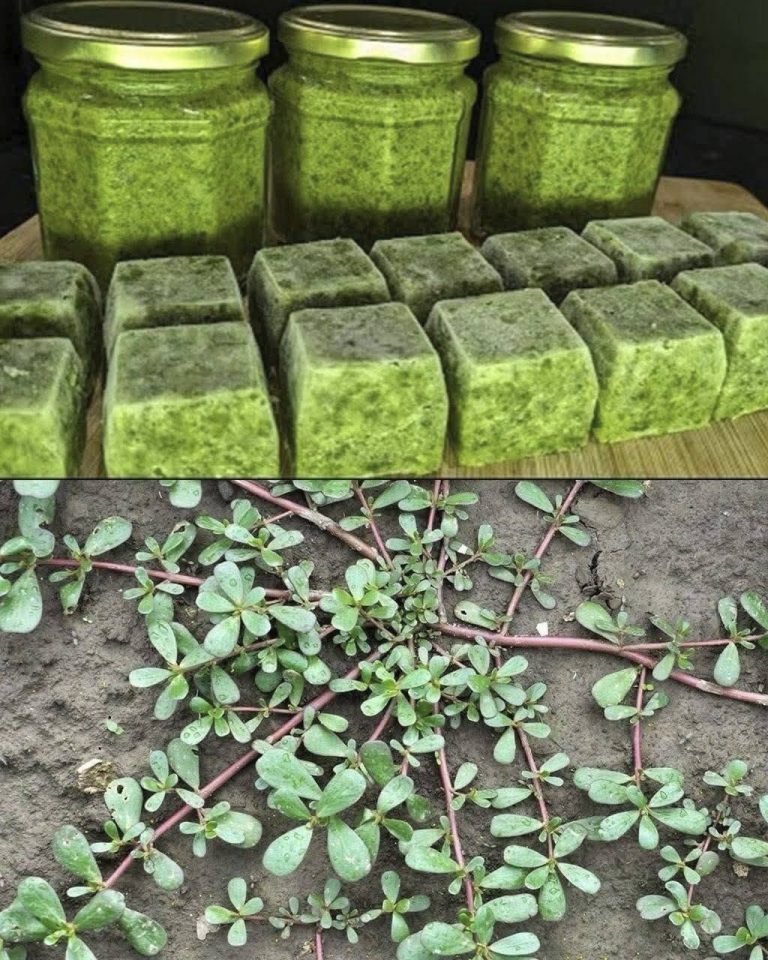
Foraging: Purslane grows in gardens, lawns, and sidewalk cracks. Identify carefully (it’s easy to distinguish by its fleshy leaves and red stems). Avoid areas that may have been sprayed with pesticides or herbicides.
Growing from seed: Plant purslane seeds in spring after the last frost. It thrives in poor soil, heat, and drought. Harvest leaves and stems when young and tender.
Harvesting: Cut the top 4-6 inches of stems. Purslane regrows quickly. You can harvest multiple times per season.
Storage: Store fresh purslane in the refrigerator for up to a week. Wash just before using.
Potential Concerns (What to Watch For)
High in oxalates: Purslane contains oxalates, which can contribute to kidney stones in susceptible people. If you have a history of calcium oxalate kidney stones, limit your intake.
.
Blood sugar medication: If you take diabetes medication, monitor your blood sugar closely when adding purslane to your diet. The blood-sugar-lowering effect could theoretically cause hypoglycemia when combined with medication.
Blood pressure medication: Purslane’s potassium content could theoretically interact with blood pressure medications (especially potassium-sparing diuretics). Talk to your doctor.
Pesticides: If you’re foraging purslane from lawns or gardens, ensure the area hasn’t been sprayed with pesticides or herbicides. Better to grow your own or buy from a trusted source.
Allergies: Rare, but possible. Start with a small amount.
Frequently Asked Questions
Is purslane safe to eat raw?
Yes. Wash it thoroughly. Eat raw in salads or smoothies.
Can I eat purslane every day?
Yes. For most people, a handful (1-2 cups) daily is safe and beneficial.
Does purslane taste good?
It has a mild, lemony, slightly salty flavor. Many people enjoy it raw. If you don’t like the taste, try cooking it (which mellows the flavor).
Is purslane the same as portulaca?
Yes. Purslane is Portulaca oleracea. Ornamental portulaca (moss rose) is a different species (Portulaca grandiflora) and is not edible.
Can I freeze purslane?
Yes. Blanch purslane in boiling water for 30 seconds, plunge into ice water, drain, and freeze in airtight bags. Use in soups and stews.
Is purslane good for weight loss?
It’s low in calories, high in water, and contains fiber—all helpful for weight management. But it’s not a magic weight loss food.
.
My doctor said I have kidney stones. Can I eat purslane?
Continue reading on the next page →