
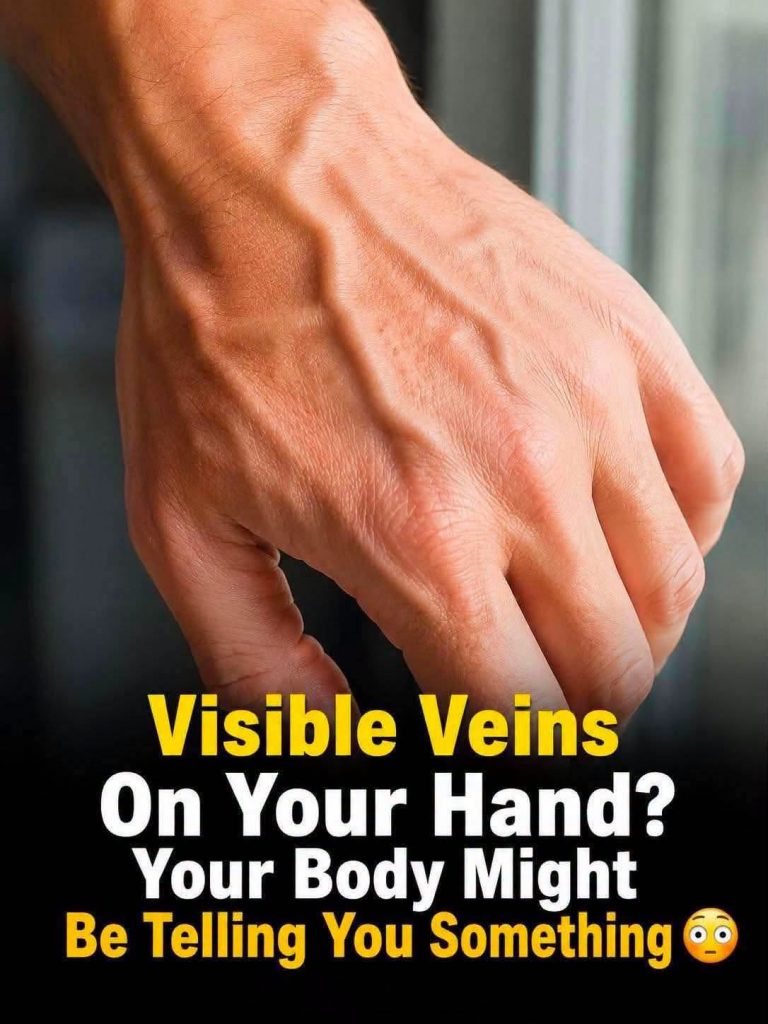
Low Body Fat: With less fat between the skin and veins, it’s natural for veins to be more visible. This is common in athletes, bodybuilders, or those who’ve lost weight rapidly.
Aging Skin: As we age, the skin becomes thinner and less elastic. This, along with reduced fat, makes veins stand out more.
Exercise and Fitness: Increased blood flow during and after exercise causes veins to expand. In fit individuals, this effect may be more pronounced and persistent.
Heat and Warm Weather: In warm temperatures, veins dilate to help cool the body, making them easier to see.
Genetics: For some, vein visibility is simply hereditary. If visible veins run in your family, they may appear regardless of your health.
When Visible Veins Could Signal a Health Issue
In certain cases, suddenly prominently visisble veins may be more than a cosmetic concern. Conditions that affect vein function or blood flow may be to blame.
Chronic Venous Insufficiency (CVI): When vein valves weaken or fail, blood can pool in the legs, leading to swelling, heaviness, and visible bulging veins
Varicose Veins: Enlarged and twisted veins, often painful and linked with itching or skin discoloration.
Superficial Thrombophlebitis: A small blood clot near the surface causes redness, tenderness, and a firm, cord-like vein.
Deep Vein Thrombosis (DVT): A dangerous clot in a deep vein, typically in the leg. Symptoms include sudden swelling, pain, warmth, and redness. DVT is a medical emergency requiring immediate attention.
Other Non-Serious Triggers
Sometimes, temporary or hormonal changes can make veins more visible:
Intense workouts or strength training
Dehydration
Hormonal fluctuations (such as pregnancy, menstruation, or menopause)
Sudden weight loss
When to Consult a Doctor
If your veins suddenly become more visible without a clear cause—or if you notice symptoms like pain, swelling, warmth, or skin changes—it’s best to consult a healthcare provider.
These signs could point to vascular conditions that require medical evaluation.
Continue reading on the next page →