


I had worried there would be an awkward lull or that the room would feel sparse without piles of adult gifts stacked under the tree. It didn’t. If anything, the morning moved more naturally. The kids had plenty to open, and because there were fewer total packages, we weren’t sitting there for two and a half hours pretending to be equally excited about every candle, mug, and novelty sock set.
We finished gifts in about 40 minutes instead of our usual 90. The adults were more present because we weren’t mentally tracking whether everyone had opened the same number of items. There was less “Wait, that one has a tag,” less chaos with trash bags, and far less of that forced, frantic energy that can creep into big family holidays.
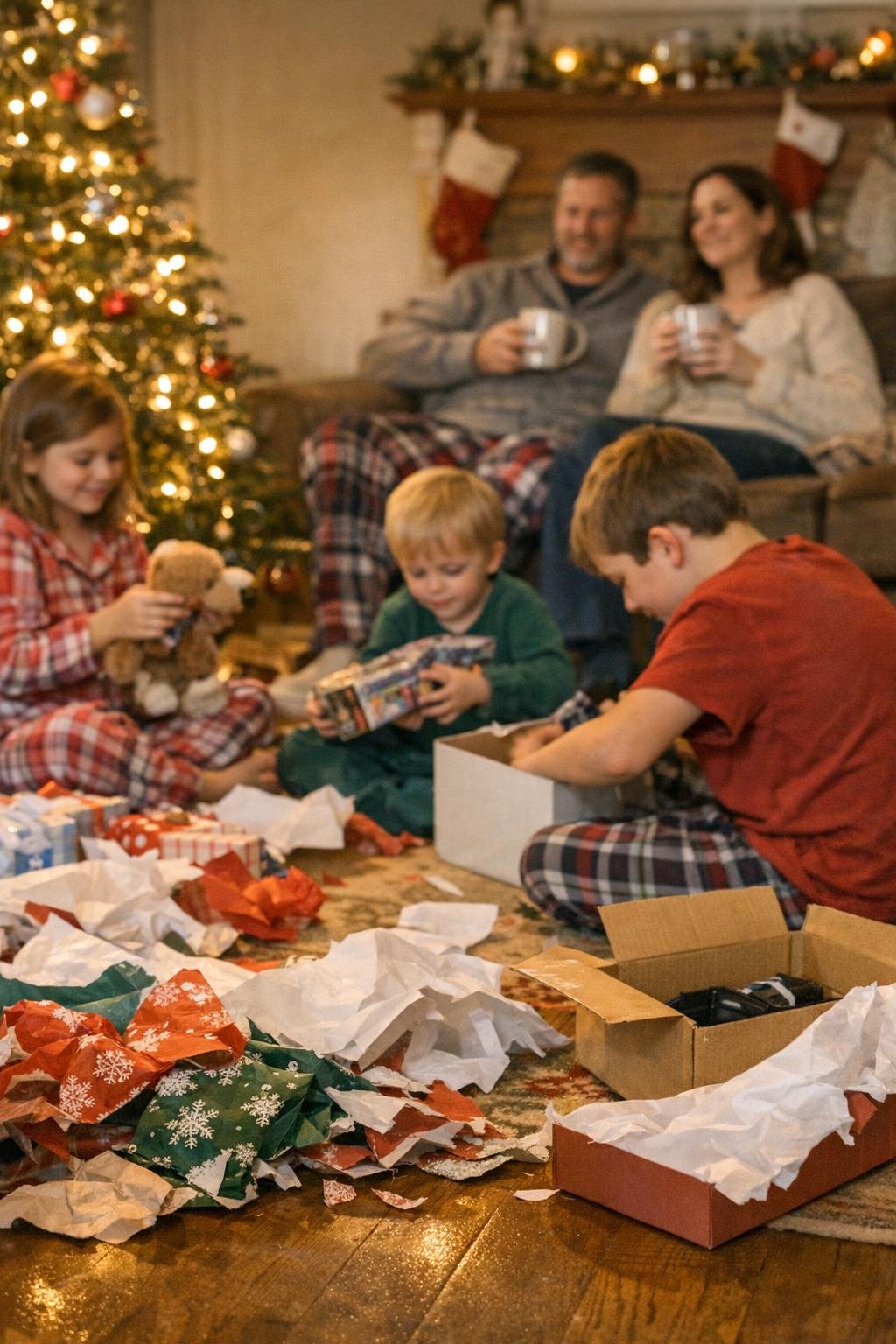
I also noticed something small but telling: nobody seemed to miss carrying home an extra armful of things they didn’t necessarily need. No one had to find trunk space for giant gift bags. No one was quietly figuring out what to donate in January.
10. The one person who struggled with it most
My mom had the hardest adjustment, not because she wanted more stuff, but because gifts have always been one of her love languages. She is the kind of person who remembers your favorite lip balm, buys the exact dark chocolate you like, and hides practical little extras in tissue paper. For her, giving is care.
We talked about that honestly. I told her I wasn’t rejecting love; I was rejecting the scale of the expectation. That distinction helped. She ended up channeling that energy into the grandkids and into food, which honestly is also one of our family love languages. She made her usual ham, two pies, and a tin of homemade peanut butter balls. Nobody suffered, believe me.
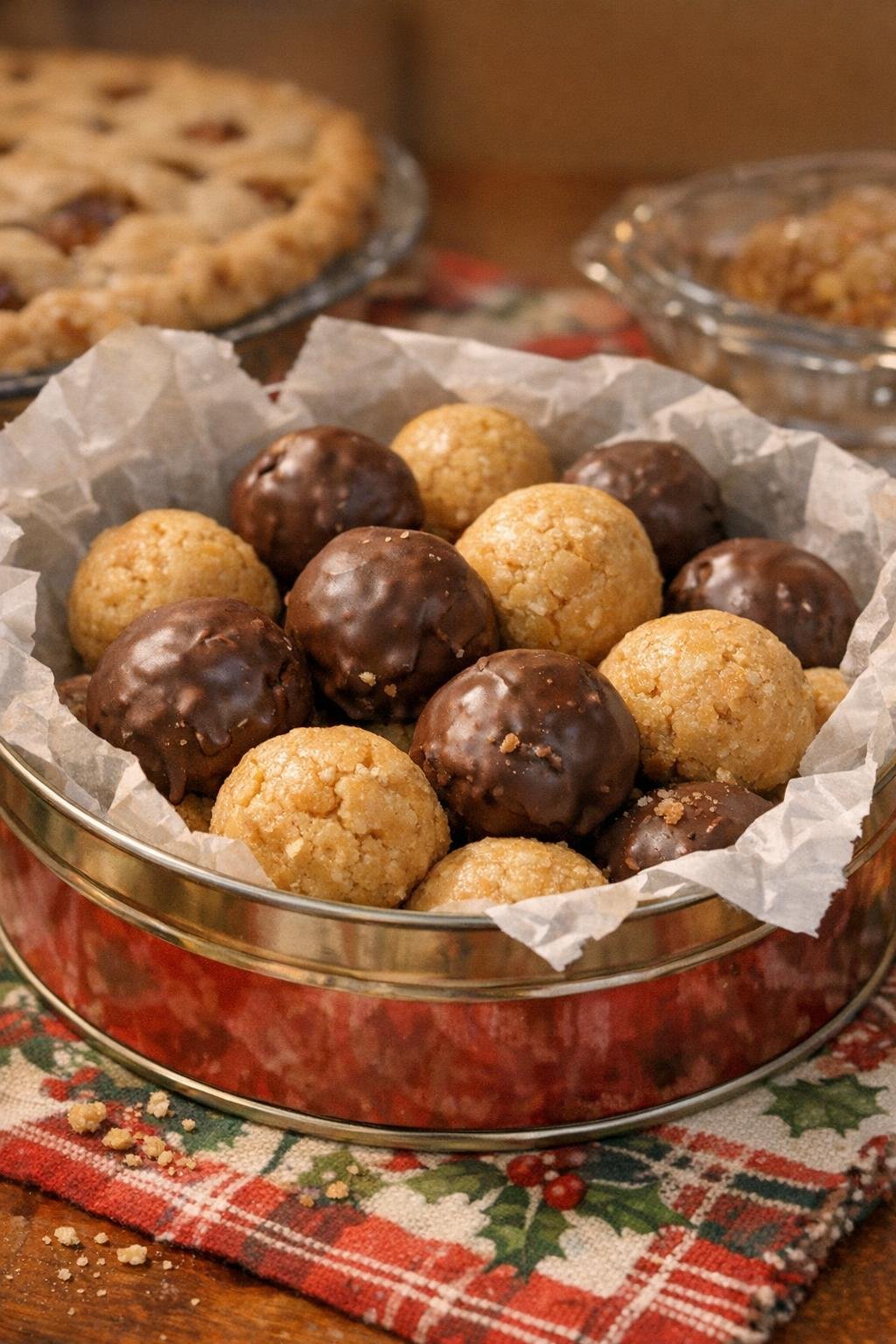
By late afternoon, even she admitted the day felt calmer. When the person most emotionally attached to the old tradition can still find peace with the new version, that tells you something.
11. The practical rules that made it work
Continue reading on the next page →