
If I had delivered my rule with a chip on my shoulder, the whole thing would have landed differently. Families can hear resentment through a phone screen. What worked was keeping my tone matter-of-fact and warm. I was not punishing anybody. I was simply telling the truth about what I could and could not carry.
I’ve learned over the years that boundaries go down easier when they are paired with welcome. “I’d love to have you” opens a door. “Here’s what I need in order to do it” keeps that door from landing on your foot. People generally respond better when they feel invited into the solution instead of blamed for the problem.
13. A few practical rules I’ll keep from now on
First, I will always use categories. No more open-ended “bring whatever.” Second, I will keep at least three non-cooking slots available: drinks, ice, and paper goods. Those are lifesavers for relatives who work late, travel far, or simply don’t cook. Third, I will ask for serving size estimates. “Serves 12” is a better promise than “I’ll bring a casserole.”
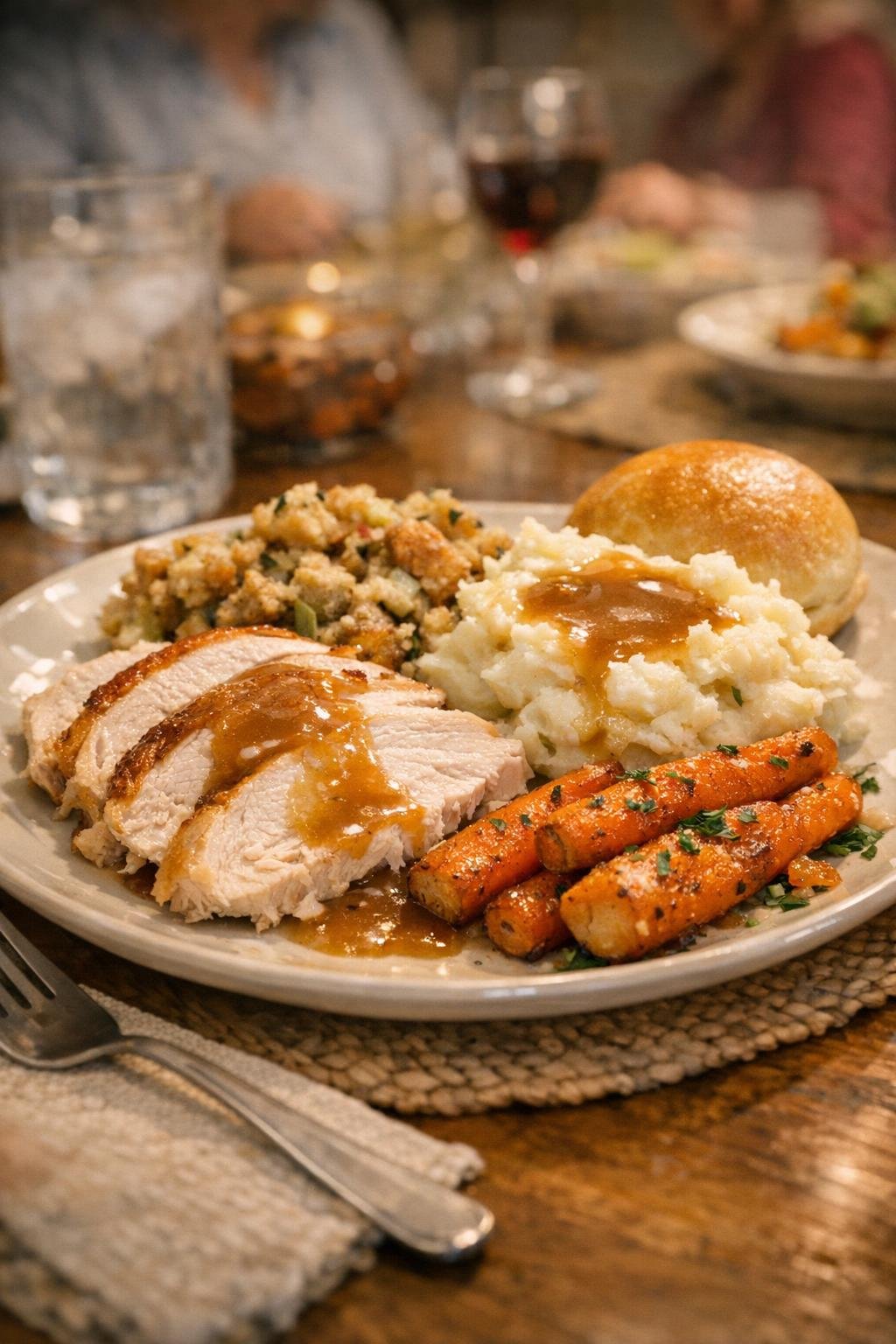
Fourth, I will keep the deadline at least four to five weeks before the holiday. October 20 worked beautifully for a late-November Thanksgiving because it left room for reminders, shopping lists, and, if needed, a backup plan. Finally, I will reserve the core items that truly matter to me. For me, that’s turkey, gravy, and dressing. Every host has their non-negotiables. Keep those close and let the rest become a family effort.
14. What I’d say to anyone afraid to try this
If you are worried your family will think you are being difficult, let me tell you plainly: most of them already know you do too much. They may not think about it often enough, and they may benefit from your silence, but they know. Giving people a sign-up date does not make you unfriendly. It makes the holiday more sustainable.
Start simple. Pick a date. Offer specific slots. Keep the message kind. If nobody signs up, that tells you something useful early enough to change plans. But in most families, what actually happens is very ordinary. A few people respond right away. A few reply at the last minute. Somebody fusses. Then everyone shows up to a fuller table, the host spends less, and the day runs better than it has in years.
15. The real lesson I took from it
Continue reading on the next page →