
Does having visible veins mean someone has poor circulation?
Visible veins can sometimes draw attention and lead to concerns about health, particularly circulation. Many people notice veins on their hands, arms, legs, or feet and wonder if this is a warning sign of a medical problem. In reality, visible veins are usually normal and often harmless, and they do not necessarily indicate poor circulation. Understanding why veins stand out more can reduce unnecessary worry and help you recognize when medical help is actually needed.
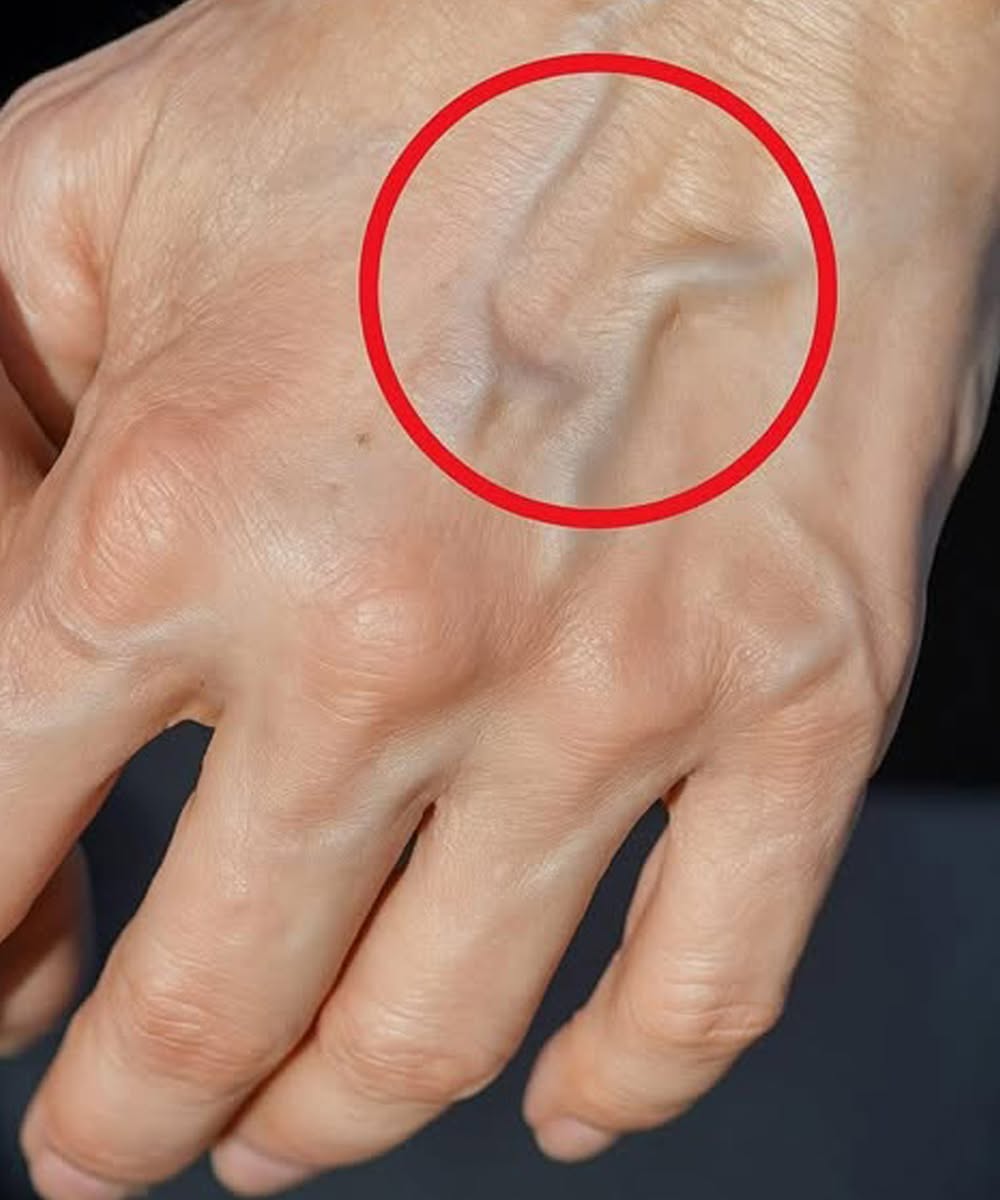
Veins carry blood back to the heart after oxygen has been distributed throughout the body. In many people, veins can become visible under the skin in areas such as the hands, arms, and legs. This is usually normal and is influenced by a number of common factors.
Low body fat percentage: With a lower body fat percentage, there is less tissue covering the veins, making them more visible. This is common among athletes and physically fit individuals.
Genetics: Some people naturally have thinner or more transparent skin, making veins more visible.
Physical activity: Exercise increases blood flow and causes blood vessels to temporarily dilate, making them more visible during or after training.
Aging: As the skin becomes thinner and less elastic with age, veins can become more visible, especially on the hands and legs.
Body temperature: Heat causes blood vessels to dilate, allowing veins to become more visible under the skin.
In general, visible veins are a normal physical characteristic and not a sign of a health problem.
Do visible veins indicate poor blood circulation?
In most cases, visible veins do not indicate poor circulation. In fact, they can be a sign that blood is flowing efficiently through the body. Good circulation ensures that oxygen and nutrients reach the tissues, while waste products are removed.
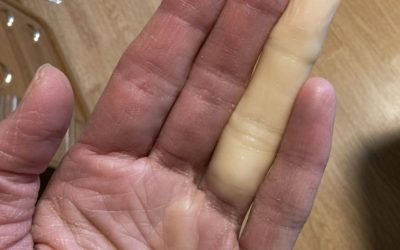
Poor circulation typically causes symptoms such as numbness, cold extremities, swelling, or pain, rather than just visible veins.
When visible veins can pose a medical problem
Although visible veins are usually harmless, in certain situations they can indicate an underlying vascular condition.
Varicose veins
Varicose veins are dilated, tortuous veins that often occur in the legs. They develop when the valves in the veins weaken, causing blood to pool instead of flowing back to the heart properly. Symptoms may include pain, a heavy feeling, swelling, or itching around the veins.
Chronic venous insufficiency
This condition occurs when the veins have difficulty transporting blood from the limbs back to the heart. Over time, this can lead to swelling, skin discoloration, or discomfort in the legs.
In these situations, the veins can bulge, twist, or be painful, which is different from when they are simply visible under the skin.
See continuation on next page
To see the full cooking instructions, go to the next page or click the Open button (>) and don't forget to SHARE it with your friends on Facebook.