
A Scientific Look At Oregano s Role

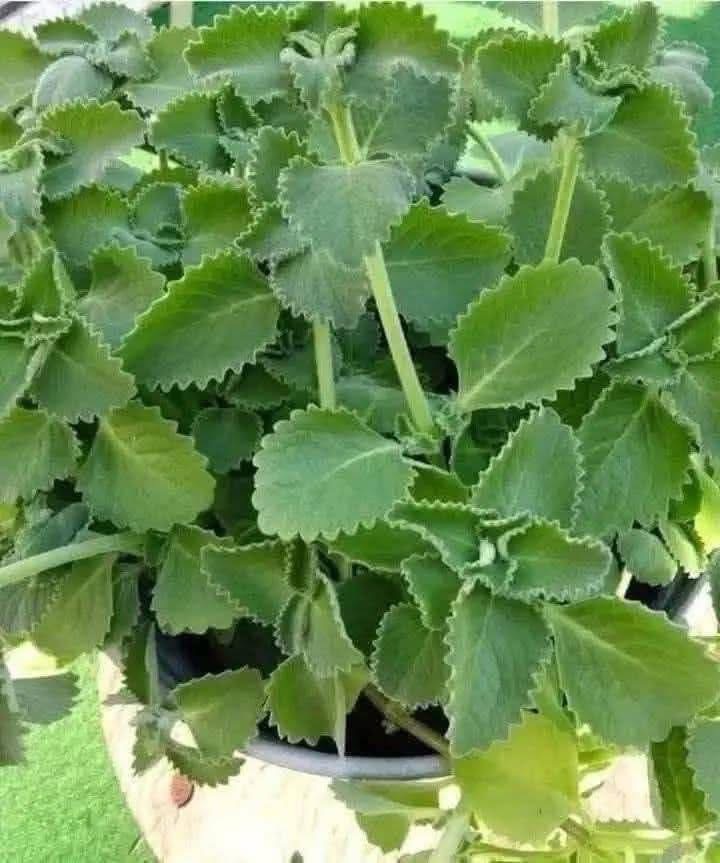
What is the difference between *Coleus amboinicus* and true oregano?
While both *Coleus amboinicus* and true oregano (*Origanum vulgare*) belong to the mint family (Lamiaceae) and share some aromatic qualities, they are distinct species. *Coleus amboinicus* has thick, succulent, fuzzy leaves with scalloped edges, and a more pungent, slightly minty flavor often described as a stronger version of oregano. True oregano typically has smaller, smoother leaves and a more classic savory, earthy flavor. They are used similarly in cooking, but *Coleus amboinicus* often requires a lighter hand due to its intensity.
Can I substitute *Coleus amboinicus* for dried oregano in recipes?
While *Coleus amboinicus* can impart an “oregano-like” flavor, it’s not a direct 1:1 substitute for dried oregano. Its flavor profile is much more potent, fresh, and slightly minty, contrasting with the concentrated, earthy notes of dried true oregano. If substituting, start with a much smaller quantity of fresh *Coleus amboinicus* than you would use for dried oregano, and add it towards the end of cooking to preserve its unique volatile oils. It’s often best used where fresh herb notes are desired.
What are some traditional medicinal uses of *Coleus amboinicus*?
*Coleus amboinicus* has a rich history in traditional medicine across various cultures. It is commonly used to alleviate symptoms of coughs, colds, sore throats, and asthma due to its expectorant and anti-inflammatory properties. It’s also traditionally employed as a digestive aid, for treating skin conditions, and as an antimicrobial agent for minor wounds and infections. Many cultures brew the fresh leaves into a tea to treat respiratory ailments and stomach upset.
How can I grow *Coleus amboinicus* at home?
*Coleus amboinicus* is remarkably easy to grow, making it an excellent choice for home gardeners. It thrives in warm climates and prefers well-draining soil and partial to full sunlight. It’s particularly well-suited for container gardening and can even be grown indoors in a sunny spot. The easiest way to propagate it is from cuttings: simply snip a stem, remove the lower leaves, and place it in water or directly into moist soil. Roots typically form within a week or two, and the plant will grow quickly, providing a continuous supply of fresh leaves.
To see the full cooking instructions, go to the next page or click the Open button (>) and don't forget to SHARE it with your friends on Facebook.