

Introduction
In the vibrant tapestry of culinary herbs, few names evoke as much robust flavor and aromatic charm as “oregano.” Yet, what if I told you that the herb gracing our plates, often celebrated for its Mediterranean flair, isn’t always the true *Origanum vulgare* we commonly associate with the name? This article embarks on a fascinating journey to demystify a common culinary imposter—one that, despite its misnomer, holds a powerful and distinct place in kitchens and traditional medicine worldwide. We’re diving deep into the world of *Coleus amboinicus*, also known by a delightful array of names including Indian Borage, Cuban Oregano, Mexican Mint, and Spanish Thyme. This succulent, fuzzy-leaved plant, often confused with its Mediterranean namesake due to a shared pungent aroma and savory applications, is a culinary superstar in its own right, boasting a unique flavor profile and a wealth of health benefits.
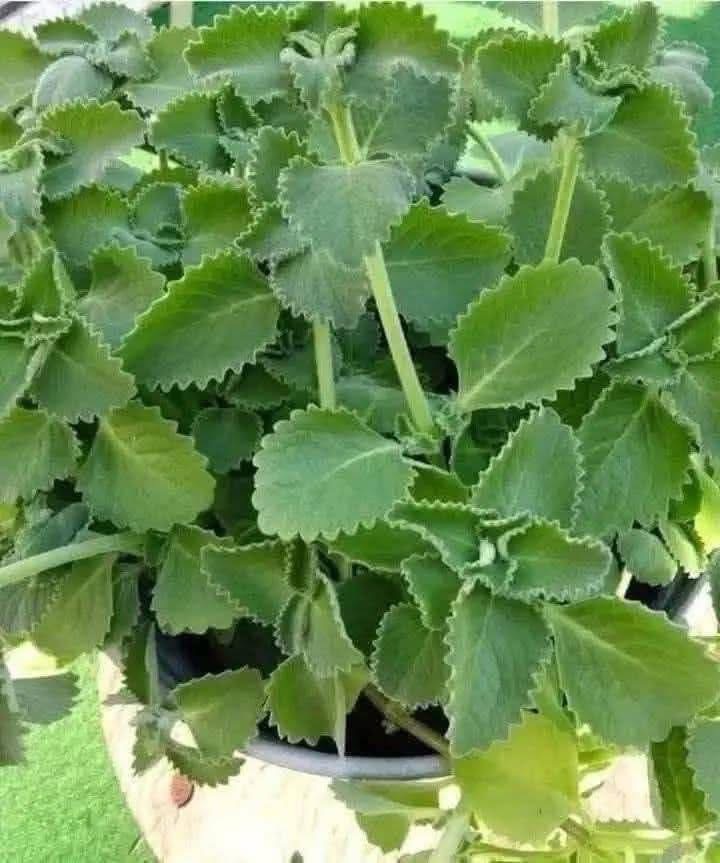
The image before us beautifully showcases the distinctive features of *Coleus amboinicus*: its thick, almost succulent leaves, often a vibrant green, with characteristic scalloped or serrated edges and a fine, fuzzy texture. These visual cues immediately set it apart from the smoother, often smaller leaves of true oregano. Despite this botanical distinction, its strong, camphoraceous scent and a flavor that hints at oregano, thyme, and mint have earned it the “oregano” moniker in many cultures, leading to delightful culinary crossovers and occasional botanical confusion. This plant isn’t merely a stand-in; it’s a powerhouse of flavor, a staple in Caribbean, Latin American, and Southeast Asian cuisines, and a revered component of traditional medicine.
Our “scientific look” will unpack not just its unique botanical identity but also the fascinating array of bioactive compounds that underpin its aromatic appeal and its impressive range of traditional and scientifically-backed health benefits. From its role in soothing coughs and colds to its potent antimicrobial properties, *Coleus amboinicus* offers far more than just a pleasant taste. We’ll explore how to identify it, how to cultivate it in your own garden, and most importantly, how to harness its distinctive flavor in your cooking. Prepare to discover the untold story of this remarkable herb, moving beyond mere labels to appreciate the true essence of its culinary and medicinal “role.”
Nutritional Information
Per serving (approximate values for 1/4 cup fresh, chopped leaves):
Calories: 5
Protein: 0.2g
Carbohydrates: 1g
Fat: 0.1g
Fiber: 0.5g
Sodium: 2mg
Ingredients
1 cup fresh *Coleus amboinicus* (Indian Borage) leaves, loosely packed
2 tablespoons olive oil
1 medium yellow onion, finely chopped
2 cloves garlic, minced
1 red bell pepper, finely diced
1 (14.5 ounce) can crushed tomatoes
1/2 cup vegetable broth
1 teaspoon ground cumin
1/2 teaspoon smoked paprika
1/4 teaspoon cayenne pepper (optional, for heat)
Salt to taste
Freshly ground black pepper to taste
1/4 cup fresh cilantro, chopped (for garnish)
Cooked rice or crusty bread, for serving
Instructions
See continuation on next page
To see the full cooking instructions, go to the next page or click the Open button (>) and don't forget to SHARE it with your friends on Facebook.

My dad said it was embarrassing to introduce me to my sister’s fiancé, a Navy SEAL commander, but when he shook my hand, stepped back, and saluted me as “admiral, ma’am,” everyone went silent…

My husband looked me in the eye and said, “Your parents are your problem. Your money is yours, and my money is mine.” So I smiled, accepted his rule, and immediately stopped sending his family $2,500 every month. Thirty days later, they were all panicking.
Ever woke up with a completely pale, numb finger?

I Found My Widowed Daughter-in-Law at Airport After My Sister Forced Her Out of the Family

While my husband spent the day buying luxury gifts for his mistress, I quietly packed my son’s clothes and disappeared.