

First, Know Your “Enemy”
Plumbing Fixtures & Equipment
I wish I could have gone my whole life without learning about ticks. But here we are.
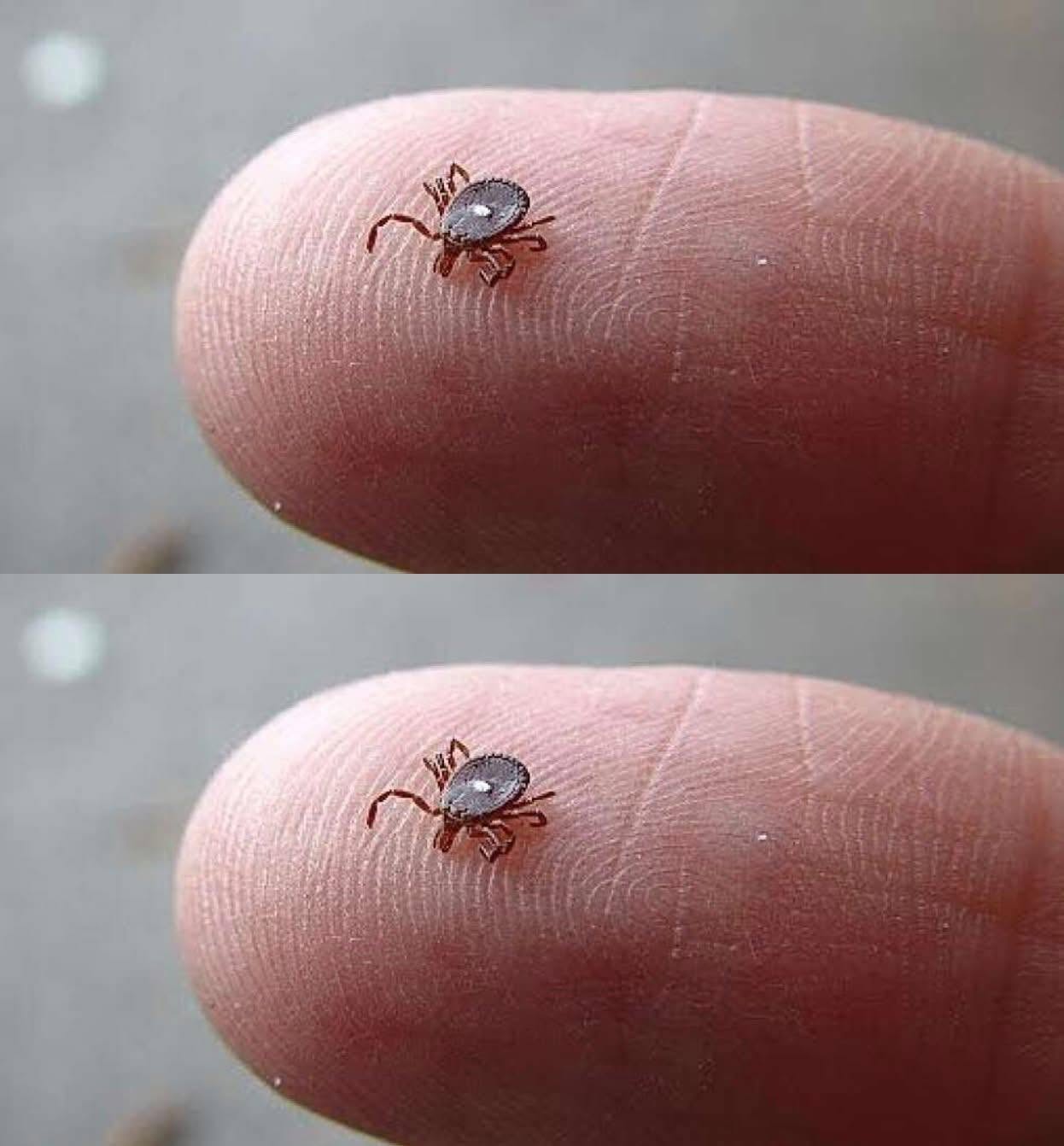
The lone star tick (Amblyomma americanum) isn’t your average tick. It gets its name from the distinctive white spot on the back of adult females—the only thing remotely “cute” about it. This tick is notably aggressive. Unlike some species that wait passively for a host to brush by, the lone star tick actively seeks one out. It will climb vegetation, detect your breath or body heat, and literally move toward you.
Yes, really. That’s why awareness matters—especially if you spend time in wooded areas, tall grass, or brushy landscapes.
Step 1: Don’t Panic—But Do Act Quickly
I know. Easier said than done. When I saw that tick on my ankle, my first instinct was pure panic. But freaking out won’t help you remove it safely—and it definitely won’t make the experience less unsettling.
If you find a tick attached to your skin:
Remove it immediately. The longer a tick remains attached, the greater the risk of disease transmission.
Use fine-tipped tweezers. Grasp the tick as close to your skin as possible—right at the mouthparts.
Pull upward steadily and gently. Do not twist, jerk, or crush the tick. This can cause the mouthparts to break off and remain embedded, which may lead to irritation or infection.
Clean the area thoroughly. Wash with rubbing alcohol, iodine, or soap and water after removal.
Never crush a tick with your bare fingers. You don’t want potential pathogens on your skin.
Full disclosure: I’ve removed more ticks than I care to admit—from my dog. It’s not a glamorous skill, but it’s a necessary one for pet owners in tick-prone areas.
Step 2: Save the Tick and Monitor Closely
Here’s a step many people skip: don’t just flush the tick or toss it in the trash.
Save it. Place it in a sealed container, a small vial, or even a piece of clear tape. If you develop symptoms later, having the tick can help your healthcare provider identify the species and assess risk.
Document the encounter. Note the date, the location on your body where the tick was attached, and roughly how long you think it was attached.
Watch for symptoms over the next few weeks. Check the bite site daily for:
A spreading rash (especially a “bull’s-eye” pattern, though not all tick-borne rashes look like this)
Redness, warmth, or swelling that worsens
Flu-like symptoms: fever, chills, fatigue, headache, muscle or joint aches
SEE NEXT PAGE >>>
To see the full cooking instructions, go to the next page or click the Open button (>) and don't forget to SHARE it with your friends on Facebook.